
Spinal Cord Injury Physio Winchester & Hampshire | Specialist SCI Rehabilitation
Why choose our Spinal Cord Injury physio services in Winchester & Hampshire?
Local to the Winchester Royal Hampshire County Hospital, Hampshire Neuro Physio is the first choice for specialist spinal cord injury (SCI) physiotherapy and rehabilitation at home in Winchester and Hampshire.
We understand that every injury is unique. Our team provides the expert, high-intensity intervention required to navigate the complexities of SCI, focusing on neuroplasticity and functional independence from day one.
Elite Expertise: We are specialist neurological physiotherapists, not generalists, with deep experience in managing both complete and incomplete spinal cord injuries.
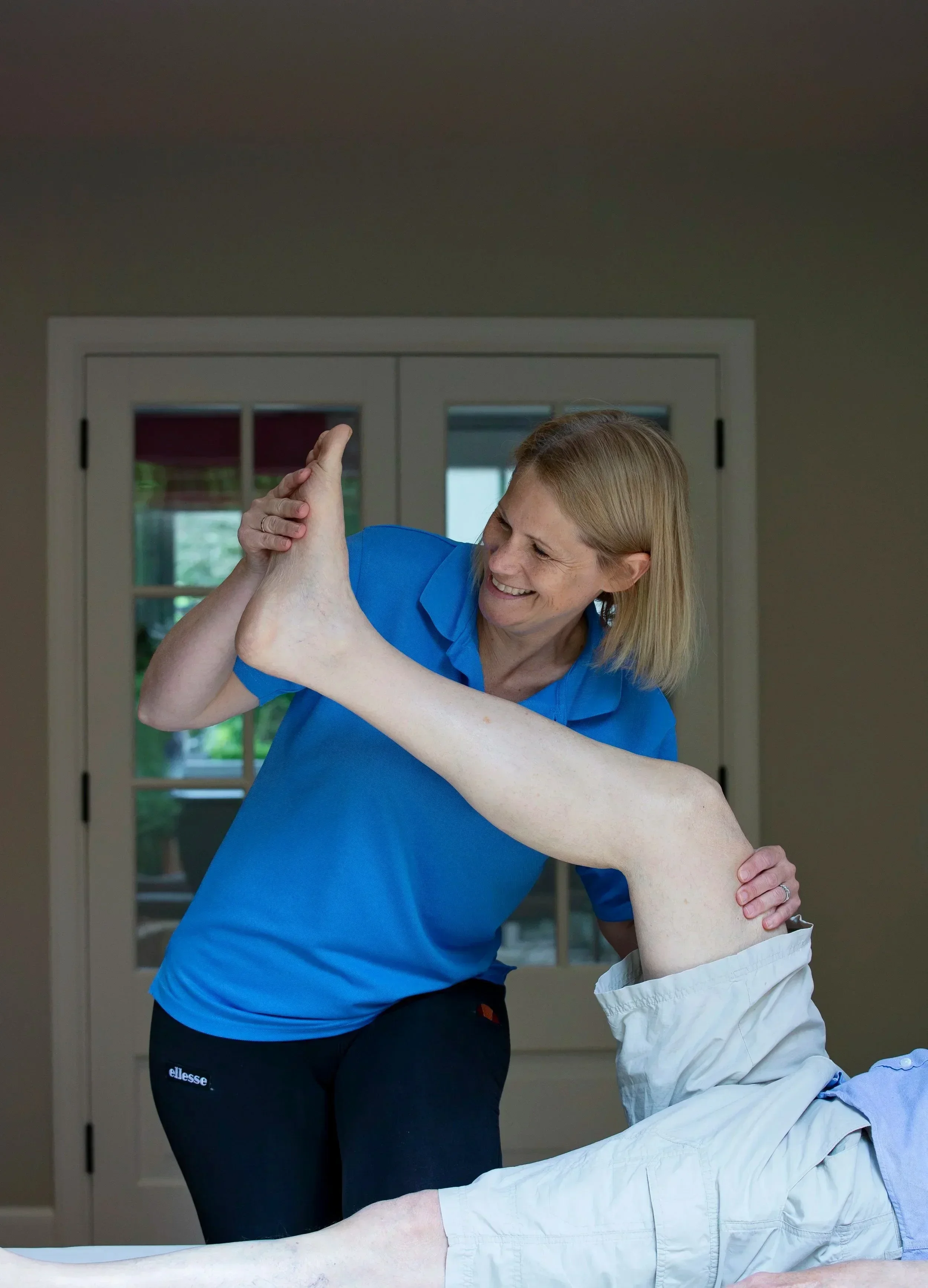
Home-Based Success: We bring clinic-grade rehabilitation to your doorstep, removing the exhaustion of travel and allowing you to practice vital skills—like transfers and mobility—in your own environment.
Coordinated Care: We work as part of your wider team, frequently collaborating with local Hampshire GPs, NHS spinal units, and Case Managers to ensure your recovery is seamless.
Whether you are looking to improve core stability, manage spasticity, or work towards standing and gait re-education, we provide the dedicated one-to-one support needed to achieve your goals.
Why Choose At-Home SCI Physiotherapy?
Recovering from a spinal cord injury requires intensive, long-term physical management. By choosing in-home SCI physiotherapy, you eliminate the logistical challenges of accessible transport and the exhaustion of travelling to a clinic.
Clinical evidence suggests that rehabilitation is most effective when practiced in the environment where you live. At home, we can tailor your exercises to your specific layout—whether that is mastering transfers in your own bedroom, managing stairs, or improving wheelchair skills in your local Winchester neighbourhood. This functional approach ensures that every gain made in therapy translates directly into your quality of life.
Specialist Neuro Physiotherapy for Spinal Cord Injury
We are a small team of highly experienced, HCPC-registered neurological physiotherapists specialising in spinal cord injury recovery. Whether you have a complete or incomplete injury, we believe that targeted, expert intervention can facilitate neuroplasticity, prevent secondary complications, and maximise your physical potential.
Areas we cover
We primarily serve Winchester and the surrounding towns in Hampshire, including:
Winchester City & Villages: Kings Worthy, Twyford, Colden Common, Littleton, Sparsholt, Sutton Scotney.
Eastleigh & District: Chandlers Ford, Bishop's Waltham, Fair Oak, Hedge End.
Test Valley & Central Hants: Romsey, Stockbridge, Alresford, Alton.
Wider Hampshire: Basingstoke, Petersfield, and Andover (please contact us to confirm availability).
We also offer at-home physiotherapy services across Hampshire for a range of other neurological conditions and mobility difficulties
-
Ideally, specialist rehabilitation should continue immediately following your discharge from a spinal centers like Salisbury or Stanmore. The first 12–18 months are a critical window for recovery, but neurological improvement and functional gains can be achieved years after the initial injury. We work with clients at all stages of their journey, from early discharge to long-term maintenance.
-
Yes. We specialise in delivering high-quality spinal cord injury physiotherapy within your own home. This allows us to assess your equipment, seating, and home environment first-hand. We provide home visits across Winchester and the wider Hampshire area, ensuring you receive consistent, expert care without the stress of travel.
-
Our approach is holistic and goal-oriented. Depending on your level of injury, sessions may focus on:
Functional Strengthening: Targeting preserved muscle groups to assist with mobility.
Spasticity & Contracture Management: Using stretching and positioning to reduce pain and stiffness.
Transfer Training: Improving the safety and ease of moving between your bed, chair, or car.
Balance & Gait Training: For those with incomplete injuries working towards standing or walking.
Conditioning: Improving cardiovascular health and respiratory function.
-
While the NHS provides excellent acute care, community provision can often be limited in frequency. Private physiotherapy allows for more intensive sessions and a consistent, long-term relationship with your therapist. We can provide the high-repetition therapy often required for neurological change and work seamlessly alongside your existing NHS consultants or Case Managers.
-
No, you do not need a referral to begin your rehabilitation with us. Many of our clients in Hampshire contact us directly. We are also experienced in working with legal teams and Case Managers for those with ongoing personal injury claims.
-
Yes. We treat all levels of spinal cord injury, from paraplegia to tetraplegia (quadriplegia). For those with higher-level injuries, we focus heavily on upper limb function, hand therapy, and maintaining respiratory health. For those with paraplegia, we often focus on core stability, advanced wheelchair skills, and, where possible, standing or gait re-education.
-
Absolutely. Spasticity is a common secondary complication of spinal cord injury. We use a combination of prolonged stretching, targeted strengthening of the opposing muscles, and specialized positioning techniques to help manage tone. We also work closely with your medical team if you are using medications like Baclofen or receiving Botox injections, ensuring your physical therapy complements your medical treatment.
-
Patient safety is our priority. Our HCPC-registered therapists are highly trained in recognizing the signs of Autonomic Dysreflexia (AD). We monitor your response to exercise closely, especially during standing or high-intensity sessions. We ensure that all rehabilitation is carried out within safe physiological limits and can provide education to carers on identifying and responding to AD triggers at home.